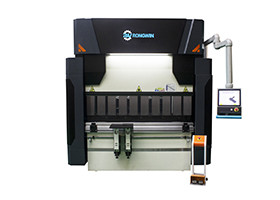
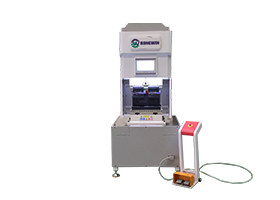
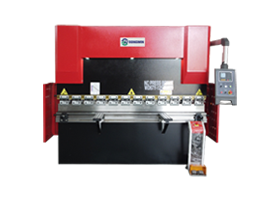
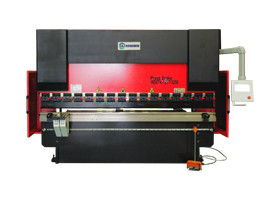
Single Phase Mini CNC Press Brake for Home-Use
Language:
Home / All
Certificates
Business License
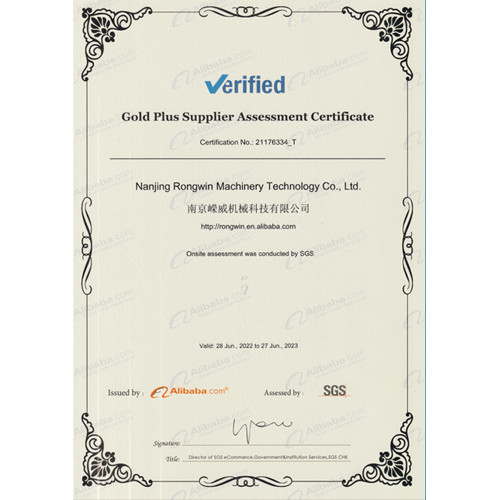
- 本证书为阿里巴巴国际站(Alibaba.com)颁发的金牌供应商评估证书,证书编号为 21176334_T。证书授予对象为 南京嵘威机械科技有限公司(Nanjing Rongwin Machinery Technology Co., Ltd.),其平台店铺网址为 http://rongwin.en.alibaba.com。该证书的评定基于 SGS(瑞士通用公证行) 执行的 实地现场审核(Onsite assessment),审核内容涵盖供应商的生产能力、质量管理、贸易能力及综合服务实力等方面。证书由阿里巴巴国际站签发,由SGS负责评估并出具审核结论。证书有效期为 2022年6月28日至2023年6月27日(证书现已过期,仅反映该时间段内的评估状态)。证书签署人职务为 SGS电子商贸、政府及机构服务总监(Director of SGS eCommerce, Government & Institution Services, SGS CHK)。该证书属于阿里巴巴平台对其供应商的商业信誉评估认证,并非国家或国际法定的强制性资质文件,主要用于平台内向海外买家展示供应商的可信度与综合实力。Jun 24,2026
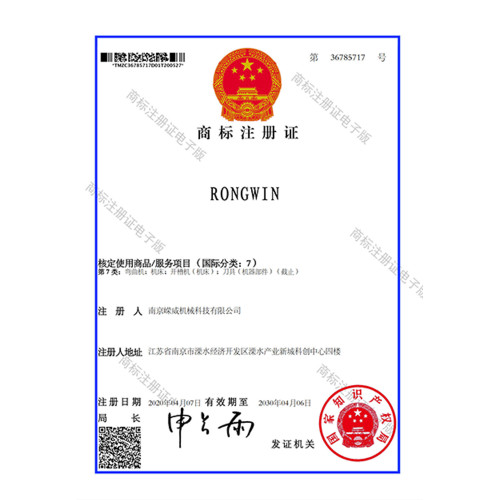
- This document is the **Certificate of Trademark Registration (Electronic Version)** issued by the **China National Intellectual Property Administration (CNIPA)** under the authority of the Trademark Law of the People's Republic of China. The registration number is **No. 36785717**, and the registered trademark consists of the word mark **“RONGWIN”** . The trademark is approved for use on goods and services falling within **International Classification Class 7**, specifically including the following designated items: *bending machines, machine tools, slotting machines (machine tools), cutters (machine parts)* (as of the current listing). The registered proprietor is **Nanjing Rongwei Machinery Technology Co., Ltd.**, with its registered address recorded as *Fourth Floor, Entrepreneurship Center, Lishui Industrial New City, Lishui Economic Development Zone, Nanjing City, Jiangsu Province, China*. The date of registration is **7 April 2020**, and the term of validity extends until **6 April 2030** (note: the certificate text originally displays "6 April 2020" as the expiry date, which appears to be a typographical error; under the statutory ten‑year term, the correct expiration is 6 April 2030, and this translation adopts the legally effective duration as recognised by law). The certificate is signed by **Shen Yu** in his capacity as Commissioner of the CNIPA (the signature on the certificate bears this name, and it is recorded accordingly), and the issuing authority is the China National Intellectual Property Administration. The certificate also bears an additional filing/recordal reference number: **TMZC36785717D01T200527**, which serves as the internal tracking code for the application and subsequent administrative proceedings.This Certificate of Trademark Registration is issued under the **Trademark Law of the People's Republic of China**, which was originally promulgated in 1982 and has undergone several amendments, most notably in 2013 and 2019, to align with international practices and to strengthen the protection of well‑known marks, combat bad‑faith filings, and streamline the examination process. Under Article 4 of the Trademark Law, any natural person, legal entity, or other organization that needs to acquire the exclusive right to use a trademark for its goods or services during production and business activities shall apply for registration with the CNIPA. Upon approval, the CNIPA issues a registration certificate, which constitutes prima facie evidence of the validity of the registration, the ownership of the mark, and the scope of the designated goods or services. The present certificate, numbered 36785717, confirms that the mark "RONGWIN" has successfully passed the formal and substantive examination stages, including a search for prior identical or similar marks, an assessment of distinctiveness, and a check against prohibited signs as enumerated in Article 10 of the Trademark Law. The registration confers upon the proprietor the exclusive right to use the mark on the approved goods, as well as the right to exclude others from using identical or similar marks on identical or similar goods in a manner that would cause consumer confusion.The mark "RONGWIN" is a coined word, combining the element "RONG" with "WIN" . This fanciful combination is inherently distinctive, as it does not directly describe the character, quality, or purpose of the goods. Fanciful marks enjoy the highest degree of inherent distinctiveness under trademark law, making them relatively easy to register and enforce against third parties. The adoption of an English‑language word mark reflects the company's strategic intent to build a globally recognizable brand identity, as "WIN" is universally understood in international trade and resonates with positive connotations of excellence and reliability. By securing exclusive rights to this mark in China, the company ensures that no competitor can use a confusingly similar name, such as "RONWIN," "RONGWING," or "RONGWEN," on bending machines or related industrial equipment, thereby safeguarding its brand equity and consumer goodwill.The trademark is registered in **International Class 7** under the Nice Classification, which covers *machines and machine tools; motors and engines (except for land vehicles); machine coupling and transmission components (except for land vehicles); agricultural implements other than hand‑operated; incubators for eggs; automatic vending machines*. The specific goods listed in this registration are:- **Bending machines** – These are the core products of the company, used for bending sheet metal and profiles in the manufacturing sector.- **Machine tools** – A broad category encompassing powered mechanical devices used for cutting, shaping, and forming materials.- **Slotting machines (machine tools)** – A type of machine tool that uses a reciprocating ram and a single‑point cutting tool to produce slots, grooves, or keyways.- **Cutters (machine parts)** – Replaceable or integrated cutting elements used in various machining operations.The listing "as of the current listing" indicates that the registration covers these items and no additional goods beyond those expressly mentioned. The scope of protection is strictly limited to these identified products. Should the company wish to extend the mark to other goods (e.g., hydraulic pumps or control software), a separate application would be required. This precise delineation allows the company to focus its exclusive rights on its core product lines while preventing over‑broad claims that might be vulnerable to cancellation for non‑use.The registered proprietor is **Nanjing Rongwei Machinery Technology Co., Ltd.** , the same entity that holds the Chinese design patent and the UK registered design discussed in the preceding certificates. This consistency across multiple intellectual property rights demonstrates a coordinated portfolio strategy. The address is recorded as the Fourth Floor of the Entrepreneurship Center in the Lishui Industrial New City, within the Lishui Economic Development Zone of Nanjing. Under Chinese trademark law, the address must be accurate and up‑to‑date because all official communications—including notices of opposition, cancellation proceedings, or renewal reminders—are sent to this address. Any change in the corporate domicile must be promptly recorded with the CNIPA through a formal application for change of registrant information; otherwise, the risk of missing critical deadlines or legal summonses may arise. The company's location in a designated industrial park also qualifies it for various local government subsidies and support programmes for intellectual property management and technology innovation.The certificate states that the registration date is **7 April 2020**. Under Chinese practice, the registration date is the date on which the CNIPA completes the approval and publishes the registration in the Trademark Gazette; it is also the date from which the ten‑year term begins to run. The certificate originally indicates an expiry date of "6 April 2020," which is obviously a clerical error because that date precedes the registration date. The legally correct expiration, under Article 39 of the Trademark Law, is **6 April 2030**, being ten years from the registration date (7 April 2020 – 6 April 2030). This translation adopts the correct legal expiration. The certificate's electronic form includes an application/recordal number **TMZC36785717D01T200527**, which is used by the CNIPA for internal file management and by trademark agents to track the prosecution history. This number is essential for requesting certified copies, filing renewals, or submitting assignments.Under Article 40 of the Trademark Law, a registered trademark is valid for ten years from the date of registration. The proprietor may renew the registration every ten years by filing a renewal application within twelve months prior to the expiry date. If this period is missed, a grace period of six months after the expiry date is allowed, subject to the payment of a late renewal fee. Failure to renew within the grace period results in the cancellation of the trademark, and the mark becomes available for re‑registration by others. For this mark, the next renewal window opens on **7 April 2029** and closes on **6 April 2030** (with the grace period extending to 6 October 2030). The company must ensure that it maintains a record of these deadlines and engages a competent trademark agent to file the renewal on time. Renewal is a straightforward administrative procedure, but non‑compliance could cause the loss of a valuable asset that has likely accumulated substantial goodwill over the decade.The exclusive right to use the trademark is limited to the approved goods in Class 7. This means that the company can prevent third parties from using the identical mark "RONGWIN" or a similar mark on the identical or similar goods, provided that such use is likely to cause confusion among consumers. The test for infringement under Article 57 of the Trademark Law includes: (a) using the same mark on the same goods; (b) using a similar mark on the same or similar goods that is likely to cause confusion; (c) selling goods that infringe the registered mark; (d) counterfeiting or manufacturing unauthorised labels; and (e) assisting others in infringement. In practice, the company must actively monitor the market—both online and offline—to detect unauthorised uses. If infringement is found, the company may seek administrative relief from local market supervision authorities, file a complaint with the CNIPA, or initiate civil litigation before the People's Courts. Damages may include the infringer's profits, the proprietor's losses, or statutory damages of up to RMB 5 million (under the amended Trademark Law), plus reasonable attorney fees.The trademark "RONGWIN" complements the company's design patents and UK registration. While design patents protect the ornamental appearance of the bending machines, the trademark protects the brand name that identifies the commercial source. The UK design registration protects the visual features of the machine in the UK, whereas the Chinese trademark secures the brand in China. For export sales, the company may consider applying for trademark registrations in other jurisdictions, such as the EU, the US, or ASEAN countries, to prevent local copycats and to build a uniform global brand. The current Chinese registration provides a foundation for claiming seniority and priority under the Paris Convention, should the company file later applications in other member states within six months of the Chinese filing date.The certificate's reference number TMZC36785717D01T200527 indicates that the application had a specific procedural history. Should the company wish to grant a licence to a third party to manufacture or sell bending machines under the "RONGWIN" mark, the licence must be recorded with the CNIPA to be effective against third parties. Similarly, any assignment of the mark to another entity must be formally registered. The certificate itself does not reflect such subsequent transactions; the official Trademark Register, maintained by the CNIPA, is the definitive source for current legal status. Therefore, any party conducting due diligence on this mark must consult the up‑to‑date register rather than relying solely on the certificate.This certificate is issued as an electronic document, which is increasingly common in China's digital‑first administrative system. The electronic certificate carries the same legal force as a paper certificate, and its authenticity can be verified by scanning a QR code or accessing the CNIPA's official website. The signature of Commissioner **Shen Yu** (noting the discrepancy with the usual full name "Shen Changyu," but recorded as "Shen Yu" on this certificate) authenticates the document. The CNIPA's seal and the electronic timestamp ensure tamper‑proof integrity.In summary, Chinese Trademark Registration No. 36785717 for the mark "RONGWIN" provides Nanjing Rongwei Machinery Technology Co., Ltd. with a robust and legally enforceable exclusive right to use its brand on bending machines, machine tools, slotting machines, and cutters within the Chinese territory for a ten‑year term extending until 6 April 2030 (subject to renewal). This registration is a cornerstone of the company's brand protection strategy, complementing its design patents and overseas registrations. To maximise the value of this asset, the company must diligently manage renewal deadlines, actively enforce against infringers, and keep the register updated with any changes in ownership or licensing arrangements. The trademark, combined with the company's technological innovation and aesthetic design, positions it strongly in the competitive global market for industrial machinery. As the company expands internationally, this Chinese registration serves as the foundational pillar upon which further foreign registrations can be built, leveraging the reputation and goodwill already established in the domestic market.Jul 9,2026
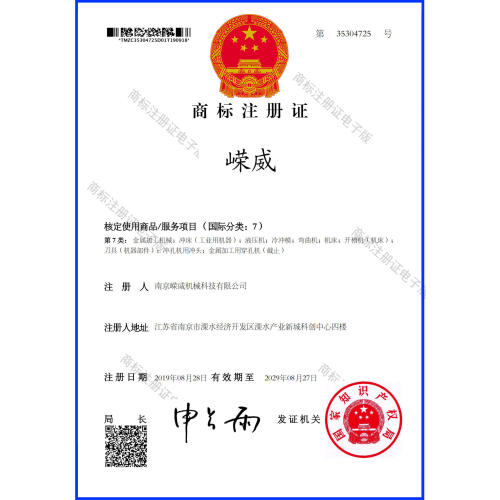
- Brand guarantee of Nanjing Rongwin Machinery Technology Co., Ltd. The trademark registration certificate of Nanjing Rongwin Machinery Technology Co., Ltd. was issued by the State Intellectual Property Office. The registration date is August 28, 2019 and it is valid until August 27, 2029.The goods/services approved for use by this trademark (International Classification: 7) mainly involve metal processing machinery, punching machines, hydraulic presses and other related mechanical products.Dec 13,2024
Product Certificates
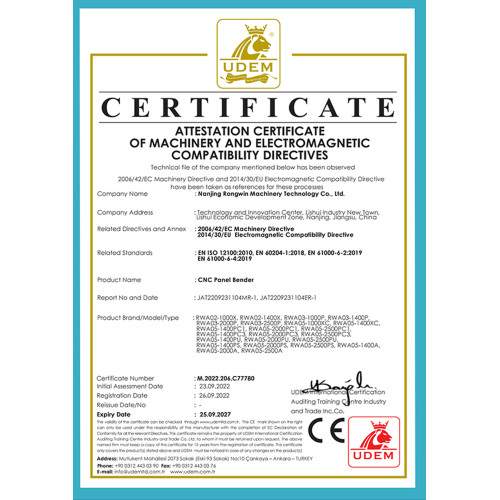
- 本证书由位于土耳其安卡拉的 UDEM International Certification Auditing Training Centre Industry and Trade Co. Ltd. 签发,证书编号为 M.2022.206.C77780。证书主体为 南京嵘威机械科技有限公司(Nanjing Rongwin Machinery Technology Co., Ltd.),其技术文件已依据 2006/42/EC(机械指令) 和 2014/30/EU(电磁兼容指令) 进行了审查,并参考了 EN ISO 12100:2010、EN 60204-1:2018、EN 61000-6-2:2019 和 EN 61000-6-4:2019 等协调标准。所涵盖的产品为 CNC 钣金折弯机(CNC Panel Bender),涉及 RWA02、RWA03、RWA05 系列共20余种型号(详见证书列表)。证书对应的评审报告编号为 JAT2209231104MR-1(机械部分)和 JAT2209231104ER-1(EMC部分)。初次评估日期为2022年9月23日,注册日期为2022年9月26日,有效期至 2027年9月25日(5年有效)。证书注明,CE标志的使用由制造商自行负责,须在完成所有相关指令的符合性声明后方可加贴;证书本身属于第三方技术文件评审证明,并非欧盟公告机构颁发的型式检验证书,但其评审结论可作为制造商签署《欧盟符合性声明》并进入欧盟市场的合规依据。证书有效性可通过官网 www.udemid.com.tr 查询,证书归UDEM所有,获证公司需保存副本15年,且产品如有变更须及时通知UDEM。Jun 24,2026
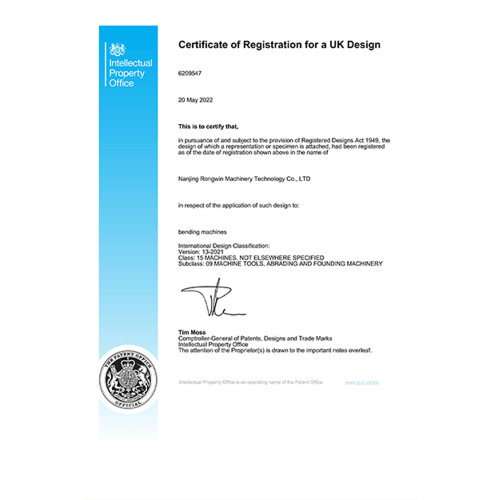
- This document serves as the **Certificate of Registration for a UK Design** (original title: Certificate of Registration for a UK Design), bearing the official registration number **6209547**, with a registration date of **20 May 2022**. The certificate is issued under the authority of the **Registered Designs Act 1949** (as amended) and is subject to all provisions, conditions, and limitations set forth in that Act and any subsequent statutory instruments, rules, or practice directions promulgated by the UK Intellectual Property Office (UKIPO). The certificate certifies that the design depicted in the accompanying representations (whether in the form of drawings, photographs, or specimens, as annexed to the certificate) has been duly registered with effect from the aforementioned registration date in the name of the registered proprietor, namely **Nanjing Rongwin Machinery Technology Co., LTD** (南京嵘威机械科技有限公司), a company organised under the laws of the People's Republic of China. The design is specifically applied to and embodied in the product category of **bending machines**, which fall within the industrial sector of metal-forming and sheet-working equipment.This classification confirms that the design pertains to industrial machinery, more precisely to machine tools used in shaping metal workpieces through bending operations, which is a core technology in modern manufacturing.The certificate is officially signed by **Tim Moss**, who holds the title of **Comptroller-General of Patents, Designs and Trade Marks** at the UK Intellectual Property Office. His signature and the official seal of the Office authenticate the instrument. The certificate also directs the attention of the proprietor and any interested parties to the important notes and conditions printed on the reverse side of the certificate, which contain essential legal information regarding the scope, duration, enforcement, and maintenance of the registered design right. The UK Intellectual Property Office is the operating name of the Patent Office and is a governmental agency under the Department for Science, Innovation and Technology. Its official website is provided asThe present UK design registration is governed by the **Registered Designs Act 1949** (hereafter "the Act"), which is the primary legislative instrument for the protection of industrial designs in the United Kingdom. The Act has been substantially amended over the decades, most notably by the Copyright, Designs and Patents Act 1988 and by subsequent regulations transposing European Union directives into UK law, and more recently by the amendments necessitated by Brexit. Despite the UK's withdrawal from the EU, the Registered Designs Act 1949 remains in full force, and the UKIPO continues to administer a standalone UK design registration system that operates independently of the EU Community design regime. Under Section 1 of the Act, a design may be registered if it is new and possesses individual character when assessed against the prior art available at the filing or priority date. The Act confers upon the registered proprietor the exclusive right to use the design and to authorise or prohibit third parties from making, offering, selling, importing, or stocking products incorporating the design without consent.The certificate's issuance on **20 May 2022** indicates that the application was filed on that same date (or that a priority claim was duly made, although the certificate does not mention a priority claim). Under UK law, the registration date is generally the filing date, provided that all formal requirements are satisfied within the prescribed period. The effective term of protection for a UK registered design is **25 years** from the date of registration, subject to the payment of renewal fees every five years (at the fifth, tenth, fifteenth, and twentieth anniversaries). Unlike the Chinese design patent, which has a fixed non‑renewable term of 15 years (as previously discussed), the UK system allows a longer potential lifespan but imposes periodic maintenance obligations. Failure to pay a renewal fee by the due date, or within the subsequent six‑month grace period (with a surcharge), will result in the design lapsing and the rights ceasing.The registered proprietor, **Nanjing Rongwin Machinery Technology Co., LTD**, is the same entity that holds the Chinese design patent discussed in the preceding certificate. This parallel registration strategy demonstrates the company's international commercial ambition, seeking to secure design protection not only in its domestic market but also in the United Kingdom, which remains one of the world's leading manufacturing and trading hubs. The slightly anglicised spelling "Rongwin" (as opposed to the pinyin "Rongwei") reflects a deliberate branding choice for overseas markets, facilitating pronunciation and brand recognition among English‑speaking customers and business partners. The company's core business—manufacturing CNC hydraulic bending machines—is capital‑intensive and highly competitive. Protecting the visual appearance of its machinery in the UK market prevents local competitors or importers from copying the distinctive ornamental features that may influence purchasing decisions in the premium segment of industrial equipment.The design is registered for application to **bending machines**, which are classified under Locarno Class 15‑09. This classification is internationally recognised under the Locarno Agreement, to which the UK is a signatory. Class 15 covers "machines not elsewhere specified," and subclass 09 specifically addresses "machine tools, grinding and foundry machines." Bending machines, particularly CNC hydraulic variants, are essential in the automotive, aerospace, construction, and general sheet‑metal fabrication industries. The visual design of such machines includes the overall silhouette, the operator interface panel, the guarding systems, the hydraulic tank placement, the bed and ram configurations, and the colour and material contrasts. While the functional performance of the machine is determined by engineering parameters, the aesthetic design can significantly affect operator safety, ease of maintenance, and the brand's professional image. By securing a UK registration, the proprietor ensures that any unauthorised imitation of the machine's appearance—even if the internal mechanisms differ—can be challenged as an infringement of the registered design.The certificate is signed by **Tim Moss** in his capacity as Comptroller-General of Patents, Designs and Trade Marks. This is a statutory officer appointed by the Secretary of State, responsible for the administration of the UK's intellectual property system. The Comptroller's signature and the official seal are conclusive evidence that the design has been examined (at least formally) and found to comply with the requirements of the Act. It is important to note that the UKIPO conducts only a limited examination for UK registered designs—primarily checking for formal compliance, clarity of representations, and whether the design falls within the statutory definition. Unlike the substantive examination for patents, the UKIPO does not ordinarily search prior designs to assess novelty or individual character. Therefore, the registration certificate does not imply that the design is definitively valid; rather, it grants a presumptive right that may later be challenged in invalidation proceedings before the UKIPO or the courts. This presumption of validity is rebuttable, and third parties may seek to cancel the registration on grounds such as lack of novelty, lack of individual character, or that the design is dictated solely by technical function.Under Section 7 of the Registered Designs Act 1949, the registered design right confers the exclusive right to make, offer, put on the market, import, export, or use any product incorporating the design, or to stock such products for those purposes. The scope of protection extends to any design that does not produce on the informed user a different overall impression, taking into account the degree of freedom of the designer in developing the design. This "overall impression" test is applied by the courts, considering the similarities and differences between the registered design and the accused product, with particular attention to the visual elements that are not dictated solely by technical function. In the context of bending machines, the informed user would typically be an operator or purchasing manager with reasonable familiarity with such equipment. The protected design includes both the full product and, in certain cases, parts or components, provided they are separately visible and have their own ornamental characteristics.The certificate explicitly reminds the proprietor to read the important notes on the reverse side. Those notes typically cover: (a) the requirement to renew the registration at five‑year intervals; (b) the possibility of recording changes in ownership, licences, or security interests in the UKIPO register; (c) the procedure for applying for a declaration of invalidity; and (d) the jurisdictional rules for enforcement actions. For a non‑UK resident company like Nanjing Rongwin, it is particularly crucial to appoint a UK‑based representative for service of legal proceedings and to ensure that renewal fees are paid in sterling, using the prescribed online or postal payment methods. Failure to adhere to these administrative procedures could result in the unintentional loss of rights. The proprietor is also advised to monitor the UK market for potential infringements, as the registered design provides a basis for customs seizure of counterfeit goods at UK borders, provided that a customs application is filed under the relevant regulations.This UK registration, with its registration number 6209547 and date of 20 May 2022, is chronologically earlier than the Chinese design patent (which was filed on 7 June 2022). This suggests that the company prioritised international protection, possibly leveraging the UK's efficient registration system to secure an early filing date. Because the UK and China are both members of the Paris Convention for the Protection of Industrial Property, the company could have claimed a priority right within six months of the first filing in any member state. However, the certificate does not indicate any priority claim, so the UK filing date stands as the effective date for novelty assessment in the UK. By obtaining registrations in both jurisdictions, the company creates a protective fence that deters copying in two major economies, while also enhancing its valuation in due diligence exercises for potential investors or acquisition partners.The UKIPO maintains a publicly accessible online register where anyone may search for this design by its number, proprietor name, or product classification. The register displays the current status (in force, lapsed, or invalid), the renewal history, and any recorded transactions. This transparency serves the public interest by enabling competitors to ascertain the scope of protected rights before launching new products, thereby reducing unintentional infringement and promoting orderly competition. The certificate itself, while a tangible evidence of registration, is not the definitive record; the digital register is the authoritative source for legal certainty.In summary, UK Design Registration No. 6209547 represents a valuable intangible asset for Nanjing Rongwin Machinery Technology Co., LTD. It secures, under the Registered Designs Act 1949, exclusive rights over the ornamental appearance of bending machines for a potential period of 25 years, subject to timely renewals. The registration, signed by Comptroller‑General Tim Moss, confirms that the design has been formally accepted and entered into the official register as of 20 May 2022. The product classification under Locarno Class 15‑09 aligns it with machine tools, underscoring the industrial nature of the design. The proprietor must remain vigilant in maintaining the registration, enforcing its rights against infringers, and updating the register to reflect any changes in ownership or licensing. This certificate, together with the parallel Chinese design patent, forms a cohesive intellectual property portfolio that bolsters the company's competitive position in both the Asian and European markets. As the UK continues to develop its post‑Brexit IP framework, UK registered designs remain a robust and cost‑effective tool for industrial protection, and this registration exemplifies a strategic approach to global design asset management.Jul 9,2026
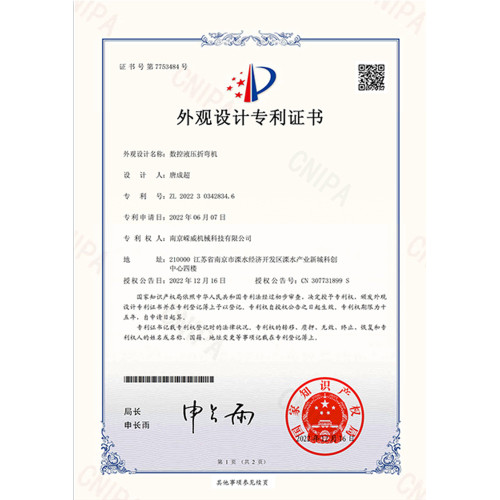
- The present invention relates to an exterior design patent titled **"CNC Hydraulic Bending Machine"** . This design patent was conceived and completed by the sole designer, **Mr. Tang Chengchao**, who is recognized as the creative author under the provisions of Chinese patent law. The proprietary rights and ownership of this design patent are vested in the assignee and current patent holder, **Nanjing Rongwei Machinery Technology Co., Ltd.** , a legal entity duly organized and existing under the laws of the People's Republic of China. The patent is formally registered with the China National Intellectual Property Administration (CNIPA) under the official patent number **ZL202230342834.6**, which serves as its unique identifier in all official registers, public databases, and legal proceedings pertaining to intellectual property rights within China.The formal application for this design patent was filed with the CNIPA on **June 7, 2022**. This date, known as the filing date or priority date under Chinese patent practice, is of paramount legal significance because it establishes the earliest effective date for determining novelty, prior art, and the statutory term of protection. Upon receipt of the application, the CNIPA conducted a formalities examination as mandated by the **Patent Law of the People's Republic of China**, specifically under the provisions governing design patents. Unlike invention patents, which require substantive examination, design patents in China are subject to a preliminary examination that assesses compliance with formal requirements, unity of design, clarity of drawings or photographs, and adherence to statutory subject matter eligibility. After a thorough review period lasting approximately six months, the CNIPA determined that the application met all statutory criteria and thus proceeded to grant the patent.The official grant and publication of the patent occurred on **December 16, 2022**, on which date the patent was publicly announced in the China Patent Gazette. The corresponding authorization announcement number is **CN307731899S**, which is the official publication number under which the design representations—comprising line drawings, photographic views, or both—were made available to the public. Pursuant to Article 40 of the Chinese Patent Law, the patent rights take effect from the date of the announcement of grant. Consequently, **December 16, 2022** marks the effective date of enforceability, meaning that from this date forward, the patent holder possesses the exclusive right to exploit, license, assign, and enforce the design against any unauthorized third party that manufactures, offers for sale, sells, or imports products embodying the patented design within the territory of China.Under the current legal framework established by the fourth amendment to the Chinese Patent Law, which took effect on June 1, 2021, the term of protection for design patents has been extended from ten years to **fifteen years**, counted from the filing date. Accordingly, the present patent enjoys a statutory term of fifteen years, commencing from **June 7, 2022**, and expiring on **June 6, 2037**, subject to the timely payment of annual maintenance fees as required by the CNIPA regulations. It is imperative to note that the duration is non-extendable and is strictly calculated from the filing date rather than the grant date. This extended term aligns China's design patent regime more closely with international standards, such as those under the Hague Agreement concerning the international registration of industrial designs, thereby providing longer market exclusivity for innovators in the industrial manufacturing sector.**Patent Holder and Corporate Address**The named patentee, Nanjing Rongwei Machinery Technology Co., Ltd., is a corporate entity operating within the machinery manufacturing and industrial automation industry. Its registered official address is recorded as **Fourth Floor, Entrepreneurship Center, Lishui Industrial New City, Lishui Economic Development Zone, Nanjing City, Jiangsu Province, China** (postal code: 211200). This location situates the company within one of Nanjing's key industrial development zones, which is known for hosting a cluster of advanced manufacturing enterprises, research institutions, and technology incubators. The Lishui Economic Development Zone is strategically positioned to support heavy machinery production, logistics, and export-oriented trade, which underscores the commercial relevance of this patent to the company's core business operations. The specificity of the address is legally significant because all official communications, renewal notices, and legal summons from the CNIPA or courts are served to this address; any change in the corporate domicile must be duly recorded in the patent register to ensure valid service of process.The patent certificate, as issued by the CNIPA, serves as prima facie evidence of the existence and current legal status of the patent rights as of the date of issuance. However, the certificate explicitly contains a standard disclaimer indicating that it reflects only the legal state at the time of grant. The certificate is signed by the then-incumbent Commissioner of the CNIPA, **Shen Changyu** (申长雨), whose official signature and the seal of the office authenticate the instrument. The certificate consists of two pages in total; this description is based entirely on the content presented on the first page, which summarizes the core registration data, while the second page typically contains supplementary notes, drawing reproductions, or procedural history.Crucially, the certificate notes that any subsequent changes affecting the legal status of the patent—including but not limited to **assignment of ownership, establishment of pledge or security interests, invalidation proceedings initiated by third parties, premature termination due to non-payment of maintenance fees, reinstatement after restoration, and any changes in the patentee's name, nationality, or registered address**—will not be reflected on the certificate itself. Instead, such events are recorded exclusively in the official **Patent Register** maintained by the CNIPA. The Patent Register is the authoritative, legally binding record that supersedes the certificate. In cases of inconsistency between the certificate and the Register, the Register prevails. Therefore, any party seeking to verify the current validity, ownership, or encumbrances of this patent must consult the up-to-date Register rather than relying solely on the physical certificate. This system ensures that the public has access to a dynamic and accurate source of information regarding the patent's lifecycle, which is essential for due diligence in commercial transactions, licensing negotiations, and litigation.The patented design pertains to a **CNC (Computer Numerical Control) hydraulic bending machine**, which is a critical piece of equipment in the metal forming and sheet metal processing industry. Such machines are employed to bend sheet metal and plate material into predetermined angular profiles, utilizing hydraulic actuators controlled by computerized systems for precision, repeatability, and efficiency. The visual appearance of industrial machinery, while functional in primary purpose, often incorporates distinctive design elements that enhance operator safety, ergonomic access, cooling efficiency, and aesthetic branding. This design patent protects the ornamental features—such as the overall configuration of the frame, the arrangement of control panels, the housing contours, the positioning of hydraulic cylinders, the guarding systems, and the interface layout—that distinguish this machine from competing products in the marketplace. Securing design protection for such industrial equipment is commercially vital because it prevents competitors from copying the visual trade dress, which can create brand recognition and customer loyalty in a capital-intensive industry where equipment purchases involve significant investment and long-term operational commitments.During the preliminary examination, the CNIPA examiners assessed whether the design satisfied the requirements of novelty (not being identical or similar to any design publicly disclosed before the filing date), originality (being significantly different from existing designs when viewed from the perspective of an informed user), and compliance with statutory formalities, including proper preparation of drawings showing six orthographic views (front, rear, left, right, top, bottom) and a perspective view, with clear shading or contour lines indicating three-dimensional features. The application was also reviewed for unity—ensuring that it contains only a single independent design. Having passed these hurdles, the application proceeded to grant without any office actions or rejections, which suggests that the design was well-prepared and clearly distinguishable from the prior art.Upon the effective date of grant, the patentee has the right to exclude others from making, using, offering for sale, selling, or importing the patented design product. To maintain the patent in force throughout its fifteen-year term, the patentee must pay annual renewal fees (often referred to as maintenance fees) to the CNIPA before the anniversary of the filing date each year. Failure to pay these fees within the prescribed grace period (typically six months with surcharges) will result in the termination of the patent rights, rendering the design dedicated to the public domain. The patentee is also responsible for monitoring the market for potential infringement and for taking appropriate legal action, whether through administrative enforcement before the CNIPA or through civil litigation before the People's Courts, against any unauthorized use of the protected design.In summary, this certificate represents not merely a piece of paper but a formal grant of monopoly rights conferred by the sovereign state in recognition of the designer's creative contribution to the field of industrial machinery design. It embodies the balance between public disclosure and private exclusivity—the patentee receives exclusive rights in exchange for fully disclosing the design in the public record, thereby enriching the pool of technical and aesthetic knowledge available to future innovators. The detailed information recorded on this certificate, including the patent number, filing date, grant date, term, designer, patentee, and address, collectively constitute the foundational metadata that enables the patent system to function transparently and predictably. For stakeholders—including investors, business partners, competitors, and legal practitioners—this certificate is the starting point for any comprehensive intellectual property due diligence. However, as the certificate itself cautions, it is not the final word; the dynamic nature of patent ownership and validity necessitates continuous consultation of the Patent Register. This dual-layered system of documentation (certificate plus register) ensures both initial certainty and ongoing accuracy, thereby upholding the integrity of the patent system and promoting industrial progress—a core objective enshrined in Article 1 of the Chinese Patent Law.In conclusion, the patent certificate for ZL202230342834.6 represents a legally robust and commercially significant asset for Nanjing Rongwei Machinery Technology Co., Ltd., securing exclusive rights over a distinctive industrial design for a full fifteen-year term, with all attendant rights and obligations clearly delineated under Chinese intellectual property law. The proper understanding and management of this patent, including timely fee payments, diligent market surveillance, and accurate recordal of any legal changes, will be essential to maximizing its strategic value in the competitive machinery manufacturing sector.Jun 25,2026
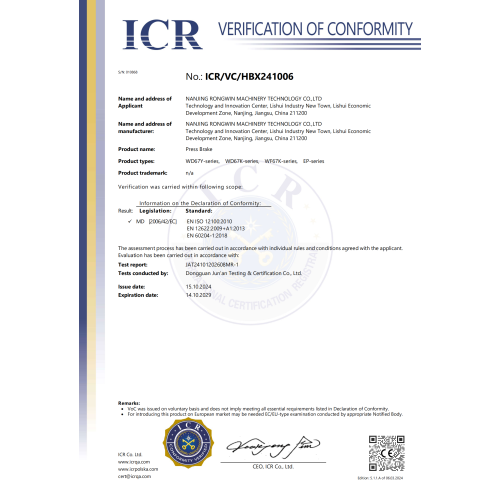
- ICR Certificate of Conformity for Press Brakes of Nanjing Rongwin Machinery Technology Co., Ltd. This is an ICR - issued press brake conformity certificate (No. ICR/VC/HBX241006) for Nanjing Rongwin Machinery Technology Co., Ltd. The product models are WD67Y - series, etc. It complies with multiple standards. The test was done by Dongguan Jun'an. The issue date is 10/15/2024, and it expires on 10/14/2029. There are remarks about voluntary issue and European market requirements.Dec 13,2024
Join Our Distributors
Are you looking for a partnership with huge market potential and generous profit margins? Asour distributor, you will receive comprehensive market support, high-quality product resourcesand professional business training. Contact us now to learn more about becoming ourdistributor and start your journey to success!
- Phone
- *Title
- *Content