

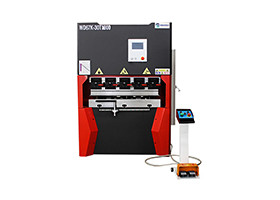
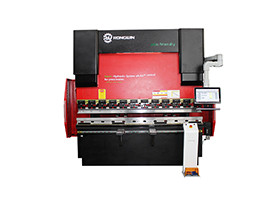
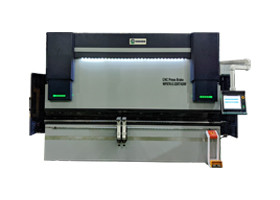
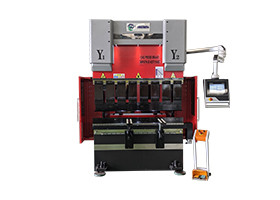
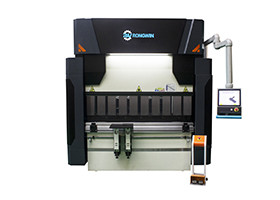
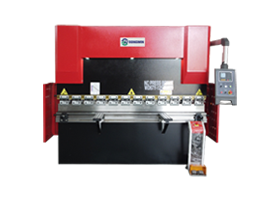
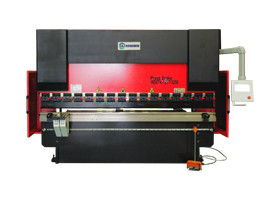
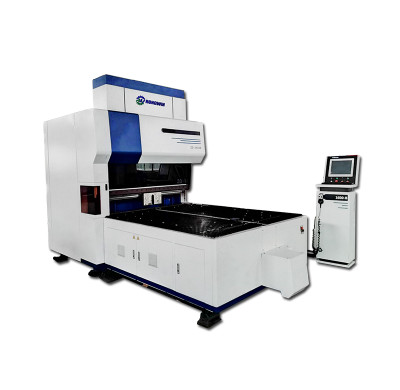
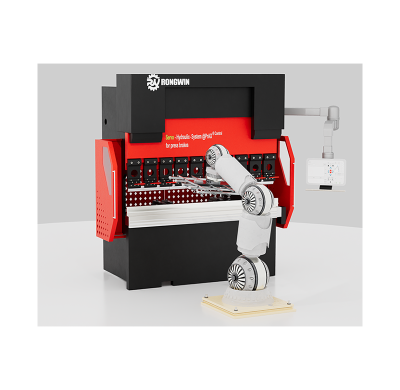


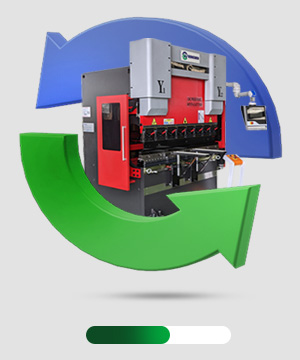










What is a Servo Hybrid CNC Press Brake? Understanding the Future of Metal Bending
What is a Servo Hybrid CNC Press Brake? Understanding the Future of Metal Bending
I've witnessed the metal fabrication industry evolve at an incredible pace, and at its heart is the groundbreaking servo hybrid CNC press brake. This innovative technology is redefining precision, efficiency, and sustainability in metal bending. This machine is more than just an upgrade; it's the future of manufacturing, and I'm excited to share why it's a game-changer. Join me as we explore this pivotal technology that is fundamentally reshaping our industry.
Key Takeaways
- Fusion of Technologies: A servo hybrid CNC press brake integrates the brute force of a hydraulic system with the precision and energy efficiency of electric servo motors. This combination offers the best of both worlds: high tonnage for heavy-duty work and meticulous control for complex, high-precision jobs.
- Superior Energy Efficiency: Unlike traditional hydraulic press brakes where the pump runs continuously, the servo motors in a hybrid system activate the hydraulics only when the ram is in motion. This "on-demand" operation can reduce energy consumption by over 25%, leading to significant long-term cost savings and a smaller environmental footprint.
- Unmatched Precision and Speed: The servo motors provide micron-level control over the ram's movement, speed, and position. This results in exceptional bending accuracy and repeatability, reduces scrap rates, and allows for faster cycle times with quick approach and return speeds.
- Lower Maintenance and Quieter Operation: With fewer constantly running components and reduced reliance on large hydraulic fluid reservoirs, hybrid systems generate less heat, experience less wear, and require less maintenance than their purely hydraulic counterparts. They are also significantly quieter, improving the overall work environment.
- Future-Proof Investment: Servo hybrid press brakes are engineered for the modern smart factory. Their advanced CNC controls and connectivity features enable seamless integration with ERP/MES systems, robotic automation, and other Industry 4.0 technologies, making them a strategic investment for future growth.
Understanding the Servo Hybrid CNC Press Brake: A Fusion of Power and Precision
The term "press brake" itself has a fascinating history, with "press" coming from the Latin word pressare (to press) and "brake" from the Old English brecan (to break or fracture). In the context of metalworking, it refers to a machine that bends, rather than breaks, sheet metal. Today's press brakes are sophisticated manufacturing cornerstones, far removed from their early ancestors. To fully appreciate the innovation of the servo hybrid system, we must first look at the journey of press brake technology.

The Evolution to Hybrid Systems
The story of the press brake begins with painstaking manual labor, where craftsmen used anvils and hammers to shape metal. The first major step towards automation was the cornice brake, patented in 1882, which used a manually operated leaf to create straight bends. The early 20th century brought the first powered mechanical press brakes, with a pivotal patent granted in 1924 that used a flywheel mechanism. These machines revolutionized production speed and consistency.
The 1970s ushered in the "hydraulic revolution," introducing machines that used hydraulic cylinders to generate immense and controllable force, a significant leap in power and precision. Then, in the new millennium, all-electric press brakes emerged, offering unparalleled speed and accuracy for lighter tonnage applications by using servo motors to directly drive the ram via ball screws or belts.
Each technology had its strengths and weaknesses:
- Hydraulic: High tonnage capacity, robust, and cost-effective, but energy-intensive, noisy, and prone to thermal variations affecting accuracy.
- Electric: Extremely precise, fast, energy-efficient, and low-maintenance, but with a higher initial cost and limited tonnage capacity, making them unsuitable for heavy plate bending.
The servo hybrid press brake was born from the desire to merge the strengths of these two systems while eliminating their drawbacks. It represents the logical next step in a century of innovation—a machine that delivers the high force of hydraulics with the intelligent control and efficiency of electric servo-driven systems.
How a Servo Hybrid CNC Press Brake Operates
At its core, a servo hybrid CNC press brake is an advanced machine that masterfully combines a hydraulic power system with electric servo motor technology. The genius of this "best of both worlds" approach lies in how these two systems interact to provide on-demand power and precision.
Here’s a breakdown of the operating principle:
- Command from the CNC: The process begins at the Computer Numerical Control (CNC) unit. The operator inputs the desired bending parameters—angle, material thickness, bend length—or loads a pre-existing program.
- Servo Motor Activation: Unlike a traditional hydraulic press brake where the hydraulic pump runs continuously and consumes energy even when idle, the servo hybrid system's motors remain dormant until a command is given. When the operator engages the machine (typically via a foot pedal), the CNC sends a precise signal to the servo motors.
- On-Demand Hydraulic Pressure: The servo motors are connected to the hydraulic pump. Upon receiving the signal, the motors instantly spin up, driving the pump to generate the exact volume and pressure of hydraulic fluid needed for the ram's movement. The system doesn't build and maintain constant pressure; it creates it in real-time.
- Precise Ram Movement: This controlled hydraulic flow is directed to the cylinders, which move the ram (the upper beam holding the punch) downwards. Because the servo motors offer granular control over speed and torque, the ram's movement is exceptionally precise through every phase of the cycle:
- Rapid Approach: The ram moves down quickly towards the workpiece.
- Bending Speed: It slows to a precise, controlled speed during the actual bending process.
- Decompression & Return: After the bend, the system releases pressure, and the ram returns swiftly to its starting position.
- Closed-Loop Feedback: Throughout the process, advanced sensors and encoders constantly monitor the ram's position and speed, feeding this data back to the CNC in real-time. This closed-loop system allows the controller to make micro-adjustments instantly, ensuring the bend angle is perfect and repeatable every time, compensating for any potential deviations.
This "power-on-demand" principle is the key differentiator. By using the servo motors to control the hydraulic pump, the machine gains the precise, responsive, and energy-efficient characteristics of an electric press brake while retaining the immense force-generating capability of a hydraulic system.
The Transformative Advantages of Servo Hybrid CNC Press Brakes
The shift towards servo hybrid technology is not merely a trend; it is driven by tangible, significant advantages that impact a workshop's bottom line, product quality, and overall operational agility. By intelligently blending power with precision, these machines offer a compelling value proposition over their predecessors.

Enhanced Efficiency and Energy Savings
The most celebrated benefit of a servo hybrid press brake is its remarkable energy efficiency. Traditional hydraulic press brakes are notorious for their high energy consumption because their main motor and pump run continuously to keep the hydraulic oil pressurized, even when the machine is idle during part loading or programming.
Servo hybrid systems shatter this inefficient model. The servo motors that drive the hydraulic pump only operate when the ram is in motion. During idle periods, energy consumption drops to near zero. This on-demand operation leads to substantial energy savings, often cited as over 25% to 35% compared to conventional hydraulic machines. For a busy fabrication shop, especially one running multiple shifts, these savings translate directly into lower operational costs and a significantly reduced carbon footprint.
Beyond just electricity savings, this efficiency has other cascading benefits:
- Reduced Heat Generation: Less continuous operation means less heat builds up in the hydraulic oil. This minimizes the need for large, energy-intensive oil coolers and reduces variability in oil viscosity, leading to more consistent bending performance throughout the day.
- Smaller Oil Reservoirs: Because the system is more efficient and generates pressure on demand, many hybrid designs can function with significantly smaller hydraulic oil reservoirs, with some models reducing oil volume by as much as 85%. This lowers the initial and ongoing cost of hydraulic fluid and reduces the environmental impact associated with its use and disposal.
This focus on energy efficiency makes the hybrid press brake a more sustainable and economically sound choice for the modern manufacturer.
Superior Precision, Lower Maintenance, and Automation Ready
While energy savings are a major draw, the performance and reliability improvements offered by servo hybrid press brakes are equally transformative.
Superior Precision and Repeatability: The direct control provided by servo motors enables a level of precision that is difficult to achieve with conventional hydraulic systems. Servo motors respond instantly to commands from the CNC, allowing for micron-level control over the ram's position, speed, and force. This results in:
- Exceptional Repeatability: The ability to replicate the exact same bend from the first part to the last in a batch is critical. Hybrid systems boast impressive repeat accuracy, often up to ±0.01mm, ensuring consistent quality and minimizing material waste from rejected parts.
- Faster Cycle Times: The rapid response of the servo motors allows for higher approach and return speeds of the ram, with some machines reaching up to 260–280mm/s. This shortens the time between bends, increasing overall throughput and productivity without sacrificing accuracy.
| Feature | Conventional Hydraulic | Servo Hybrid CNC |
|---|---|---|
| Energy Use | Continuous pump operation, high idle consumption | On-demand power, low idle consumption |
| Precision | Good, but affected by oil temperature/valve lag | Excellent, with servo-driven real-time control |
| Repeatability | Good (e.g., ±0.02mm) | Superior (e.g., ±0.01mm) |
| Cycle Speed | Slower due to hydraulic response lag | Faster due to quick servo motor response |
| Noise Level | High, from continuously running pump | Low, quiet during idle periods |
| Maintenance | Regular oil/filter changes, valve checks | Reduced hydraulic maintenance |
Lower Maintenance Requirements: The design of servo hybrid systems inherently leads to less wear and tear and, consequently, lower maintenance costs. By eliminating the continuously running main motor and reducing the stress on hydraulic components, the machine experiences fewer potential failure points. The closed-loop nature of the system means there are fewer complex proportional valves to maintain and troubleshoot. This reliability is crucial for minimizing unplanned downtime and keeping production lines running smoothly.
Automation Ready: The precision, speed, and advanced CNC controls of servo hybrid press brakes make them perfectly suited for integration into automated production environments. Their ability to communicate seamlessly with external systems is a key advantage. This includes integration with:
- Robotic Bending Cells: Robots can handle material loading, part manipulation between bends, and unloading, enabling "lights-out" manufacturing. The fast and predictable cycle times of hybrid brakes are essential for optimizing robotic workflows.
- Factory-Wide Digital Integration: These machines are built to be part of a connected, smart factory, capable of interfacing with CAD/CAM software and Manufacturing Execution Systems (MES) for streamlined production management.
Future-Proofing Your Operations with Servo Hybrid CNC Press Brakes
Investing in new machinery is a major capital decision that shapes a company's competitive capabilities for years to come. In an era defined by rapid technological advancement and the principles of Industry 4.0, choosing a servo hybrid CNC press brake is more than just an equipment upgrade—it is a strategic move to future-proof your manufacturing operations.

A Strategic Investment for Growth
While the initial purchase price of a hybrid press brake can be higher than that of a traditional hydraulic machine, looking at the Total Cost of Ownership (TCO) reveals a more compelling financial picture. The long-term savings in energy, maintenance, and reduced material scrap often lead to a rapid Return on Investment (ROI), typically within 2-4 years.
Key factors contributing to a strong ROI include:
- Reduced Operating Costs: As discussed, significant energy savings of 30-70% and lower maintenance needs directly reduce monthly overhead.
- Increased Productivity: Faster cycle times and reduced setup times mean more parts can be produced in the same amount of time, increasing revenue-generating capacity.
- Improved Quality and Reduced Waste: Higher precision and repeatability mean fewer rejected parts, saving on material costs and rework labor.
- Enhanced Versatility: Hybrid systems can expertly handle both high-tonnage, heavy-plate work and delicate, high-precision jobs. This flexibility allows shops to take on a wider variety of contracts and adapt to changing market demands without needing multiple specialized machines.
Choosing a machine based solely on its initial sticker price is a common pitfall. A forward-thinking analysis of the TCO demonstrates that the efficiency and productivity gains of a hybrid system make it a financially sound investment for growth.
Driving Industry 4.0 and Digital Integration
The modern manufacturing environment, often called Industry 4.0 or the "smart factory," is built on a foundation of data, connectivity, and automation. Standalone machines that cannot communicate or integrate with a larger digital ecosystem are quickly becoming technological dead ends. Their value is no longer measured just by mechanical capability but by their "intelligence" and connectivity.
Servo hybrid CNC press brakes are designed to be central players in this new paradigm. They are not just bending metal; they are generating and acting on data. Their advanced capabilities include:
- Seamless Integration: Modern CNC controls on hybrid machines are designed with open communication standards, allowing them to interface directly with factory-wide networks. They can be connected to ERP and MES systems for real-time production monitoring, job scheduling, and performance analytics.
- Data-Driven Manufacturing: These machines can collect and output valuable data on cycle times, energy consumption, tool usage, and bend accuracy. This information is crucial for predictive maintenance, process optimization, and quality control.
- Robotic and Automation Synergy: As previously noted, the precision and control of hybrid systems make them ideal partners for robotic automation. They can be integrated into fully automated production lines, from laser cutting to bending to final assembly, minimizing manual intervention and maximizing throughput.
- Digital Twin Technology: The advanced software capabilities allow for the creation of a "digital twin"—a virtual model of the press brake. This enables offline programming and simulation, so bending processes can be perfected virtually before any metal is touched, drastically reducing setup time and eliminating trial-and-error on the shop floor.
By investing in a servo hybrid CNC press brake, a company is not just buying a machine for today's needs; it is acquiring a connected asset that is ready for the automated, data-driven factory of tomorrow.
Frequently Asked Questions (FAQ)
1. What is the main difference between a hybrid and a fully electric press brake? A servo hybrid press brake combines electric servo motors with a hydraulic system to generate force. The servo motors control the hydraulic pump, providing power on demand. A fully electric press brake eliminates hydraulics entirely, using servo motors to directly drive the ram through mechanical means like ball screws or belt systems. The key difference is the force-generation method. Hybrids are ideal for a wide range of tonnages, including heavy-duty applications, while all-electric models excel in high-speed, high-precision bending of thinner materials but are typically limited to lower tonnages (often under 300-400 tons).
2. Are servo hybrid press brakes suitable for all types of metal bending? Yes, their versatility is one of their greatest strengths. They combine the high tonnage capacity needed to bend thick and heavy plates (often exceeding 1000 tons) with the precision required for delicate sheet metal work, such as forming parts for the electronics or aerospace industries. This makes them an excellent all-around solution for job shops and manufacturers who handle a diverse mix of materials and part complexities.
3. How much can a company realistically save on energy costs by switching to a hybrid press brake? The savings are substantial. Compared to a traditional hydraulic press brake where the motor runs continuously, a servo hybrid model can reduce energy consumption by over 25%, with some claims as high as 70% depending on the work cycle. This is because the motors only draw significant power during the actual bending motion. For a facility running machines for one or more shifts, this can translate into thousands of dollars in annual electricity savings per machine.
4. What is the typical maintenance schedule for a hybrid press brake compared to a hydraulic one? Hybrid press brakes generally require less maintenance than their purely hydraulic counterparts. While they still have a hydraulic system that needs occasional checks, the reduced stress on components (due to on-demand operation) and smaller oil volumes mean less frequent oil and filter changes. They don't have the complex proportional valves that are a common maintenance point on older hydraulic machines. This leads to higher machine uptime and lower long-term maintenance costs.
5. Can a servo hybrid press brake be integrated with existing factory management software? Absolutely. Modern servo hybrid press brakes are specifically designed for Industry 4.0 integration. Their advanced CNC controls typically feature standard communication protocols that allow for seamless connection to Manufacturing Execution Systems (MES) and Enterprise Resource Planning (ERP) software. This enables real-time data collection, remote monitoring, and streamlined workflow management, turning the press brake into an intelligent node within a smart factory ecosystem.
Conclusion
In my professional opinion, the servo hybrid CNC press brake is fundamentally transforming the art and science of metal bending, pushing us toward a future defined by intelligence, sustainability, and peak efficiency. The ingenious fusion of robust hydraulic power and precise servo-electric control addresses the core challenges of modern fabrication, delivering unmatched performance without compromise.
As we continue to drive innovation in manufacturing, I am certain that these advanced systems will remain indispensable for any operation seeking to achieve unparalleled precision, reduce operational costs, and boost productivity. They are not just a piece of machinery; they are a competitive advantage.
I look forward to witnessing the ongoing advancements and widespread adoption of servo hybrid CNC press brakes as they continue to revolutionize industries worldwide. The journey from manual force to intelligent automation has been remarkable, and with this technology, the future of metal fabrication looks brighter and more efficient than ever.