








Fiber Laser Cutting ROI Analysis 2026: Complete Cost Comparison for Plate and Pipe Fabrication
Fiber Laser Cutting ROI: The Complete Cost Analysis for Plate and Pipe Fabrication in 2026
Every fabricator considering a fiber laser cutting machine asks the same question first: "How long until this machine pays for itself?" The answer depends on what you cut, how much you cut, and what process you are replacing. This ROI analysis uses 2026 real-world production data from shops running fiber laser, plasma, and waterjet across plate and pipe fabrication to give you an honest, model-by-model payback calculation.
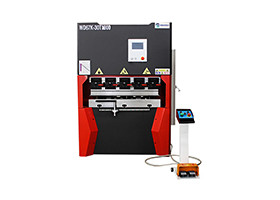
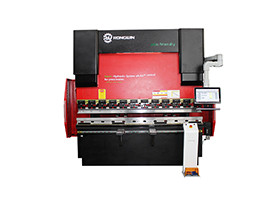
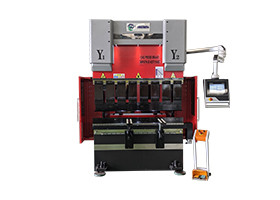
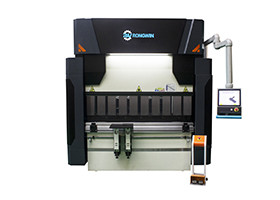
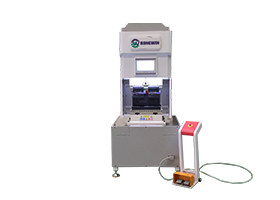
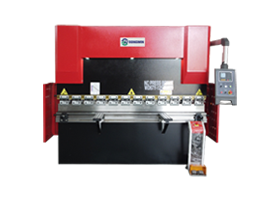
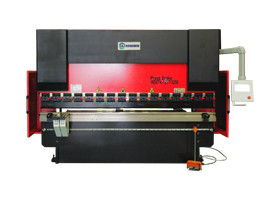
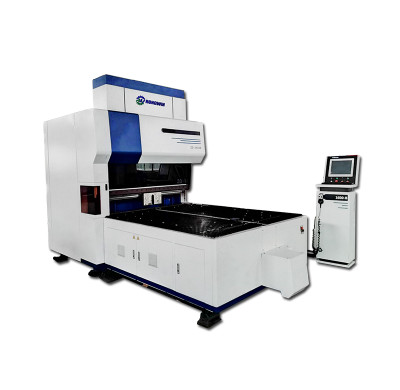
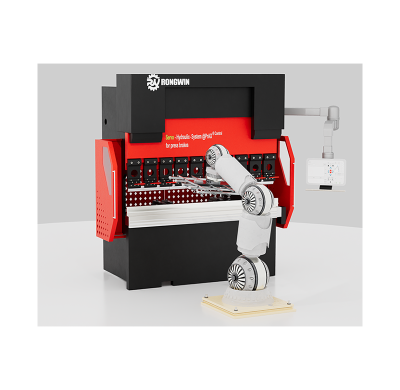
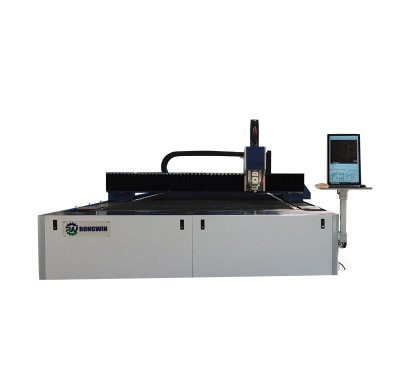
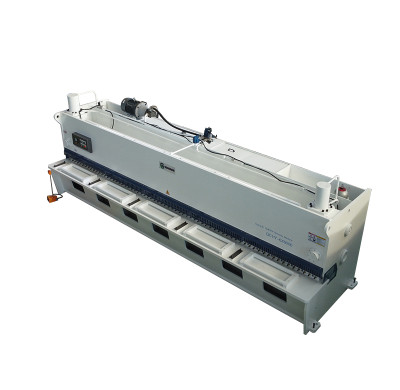
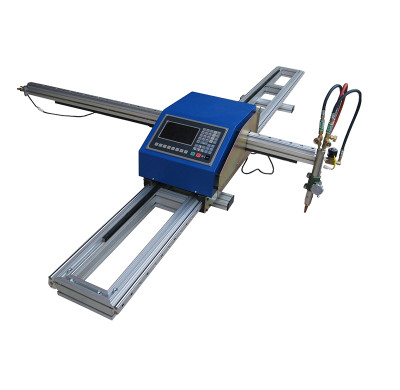
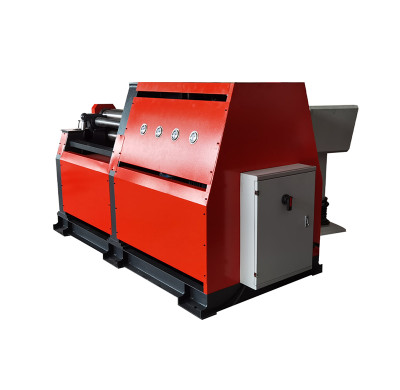
We examine four RONGWIN fiber laser platforms — RWT-G tube cutter, CNC plate & pipe combo, sealed double-table, and customizable CNC — and calculate total cost of ownership, per-part cost, and payback period for each against the most common alternatives.
The 5-Line ROI Calculation Every Buyer Should Run
Before comparing machine prices, fill in these five numbers for your operation. They define your ROI equation more than any brochure comparison ever will.
- Annual cutting hours: How many hours per year does your primary cutting resource run? (Include setup, loading, and idle time — utilization is almost never 100%)
- Current cost per part: If you outsource cutting: what is your average per-part or per-meter cost from your cutting service? If you cut in-house: what is your fully loaded hourly cost (operator + consumables + electricity + maintenance)?
- Material throughput (tons/year): How many tons of steel, stainless, and aluminum do you process annually? This determines consumable consumption (nozzles, lenses, gas) and downstream handling labor.
- Average part complexity: Simple rectangles and circles? Or complex profiles with internal cutouts, bevels, and tight tolerances? Complexity drives cutting time and the gap between fiber laser and plasma speeds.
- Operator fully loaded cost: Hourly wage + benefits + overhead for one cutting machine operator in your region. This is the largest single variable in the ROI equation.
Total Cost of Ownership: Where the Money Actually Goes
The machine purchase price is typically only 50–60% of your 5-year total cost of ownership. Here is the real breakdown for a 6000W mid-range fiber laser cutting plate machine:
5-Year TCO: 6000W Fiber Laser Plate Cutter (RONGWIN CNC Plate & Pipe)
| Cost Category | Annual Cost (USD) | 5-Year Cost | % of Total |
|---|---|---|---|
| Machine Purchase | — | $160,000 | 52.5% |
| Installation & Infrastructure | — | $45,000 | 14.8% |
| Operator Labor (4000 hrs/yr @ $25/hr) | $100,000 | $500,000 | N/A (replaces existing) |
| Consumables (nozzles, lenses, filters) | $8,400 | $42,000 | 13.8% |
| Electricity | $8,400 | $42,000 | 13.8% |
| Assist Gas (O2/N2) | $3,200 | $16,000 | 5.2% |
| Total 5-Year Hardware TCO | — | $305,000 | 100% |
Note: Operator labor excluded from TCO because it replaces the current cutting operator's cost. If outsourcing, labor is already baked into your per-part price.
Fiber Laser vs. Plasma Cutting: The 2026 Cost Comparison
Fiber laser and plasma are the two most common industrial metal cutting methods, and they compete directly for the same customer. Here is how the numbers stack up for a typical mid-volume job shop processing 200 tons of 3–20mm carbon steel per year.
| Metric | Fiber Laser 6000W | Plasma 200A | Advantage |
|---|---|---|---|
| Cutting speed (6mm CS) | 9.5 m/min | 3.8 m/min | Fiber 2.5x faster |
| Cutting speed (12mm CS) | 4.2 m/min | 2.1 m/min | Fiber 2x faster |
| Kerf width | 0.15–0.30mm | 1.5–3.0mm | Fiber 10x narrower |
| Edge quality (dross) | Minimal to none | Moderate to heavy | Fiber: no grinding needed |
| Heat-affected zone | 0.1–0.3mm | 1.0–3.0mm | Fiber: minimal warping |
| Consumable cost per meter | $0.03–$0.06 | $0.15–$0.35 | Fiber 5x cheaper |
| Stainless steel cutting | Excellent, any thickness | Poor, limited to thin sheet | Fiber: stainless-ready |
| Aluminum cutting | Excellent (6000W+) | Not recommended | Fiber wins |
| Machine price (mid-range) | $100,000–$160,000 | $45,000–$80,000 | Plasma: lower upfront |
| Total 5-year TCO (hardware) | $305,000 | $195,000 | Plasma: lower hardware TCO |
Plasma has a lower upfront cost and lower hardware TCO. But add the cost of post-cut grinding labor (required for most plasma-cut parts that need welding or paint), and the equation flips:
- Plasma post-cut grinding: 15–30 seconds per linear meter of cut edge. At $25/hr operator cost, that is $0.10–$0.21 per linear meter. For a shop cutting 50,000 linear meters/year: $5,000–$10,500/year in grinding labor that fiber laser eliminates.
- Material waste from wide kerf: Plasma's 2mm average kerf vs. fiber's 0.2mm kerf wastes 1.8mm of material per cut line. Over 200 tons of material with average 100mm part spacing: plasma wastes ~3.6 additional tons of steel per year — ~$2,700/year in scrap value alone.
Net 5-year cost including labor and waste: Fiber laser ≈ $305,000 + $0 grinding = $305,000. Plasma ≈ $195,000 + $37,500 grinding + $13,500 waste = $246,000. The gap narrows to $59,000 over 5 years, or $11,800/year — which fiber laser easily offsets with higher throughput and the ability to cut stainless steel and aluminum.
Fiber Laser vs. Waterjet: When Speed Beats Versatility
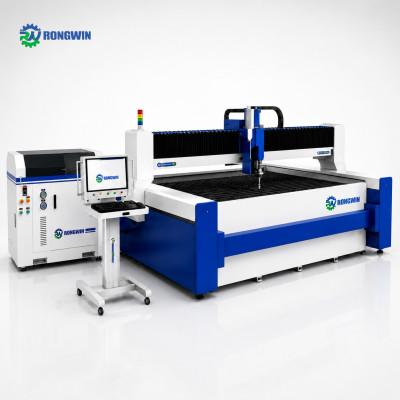
Waterjet cutting is unmatched for materials that cannot tolerate heat (titanium, composites, glass, stone). But for carbon steel and stainless steel — 85%+ of metal fabrication cutting — fiber laser delivers dramatically lower per-part cost.
| Metric | Fiber Laser 6000W | Waterjet 60,000 PSI |
|---|---|---|
| Cutting speed (10mm CS) | 4.2 m/min | 0.08 m/min |
| Consumable cost per hour | $2.10 | $28.00 (abrasive + nozzles + seals) |
| Maintenance intensity | Low (lens, nozzle, chiller) | High (pump rebuild every 500–1000 hrs) |
| Machine price (mid-range) | $100,000–$160,000 | $150,000–$300,000 |
| Per-meter cost (10mm CS) | $0.05 | $5.83 |
Waterjet per-meter cost is 116x higher than fiber laser for 10mm carbon steel. Waterjet remains the correct choice for titanium aerospace parts, copper thicker than 10mm, and stone/glass — but for steel fabrication, fiber laser is the overwhelming economic winner.
Tube Cutting ROI: The RWT-G vs. Manual Sawing and Outsourcing
Tube and pipe cutting has the most dramatic payback of any laser cutting application because the alternative — manual band-saw cutting — is incredibly labor-intensive and inaccurate.
RWT-G Tube Laser Cutter: The Productivity Calculation
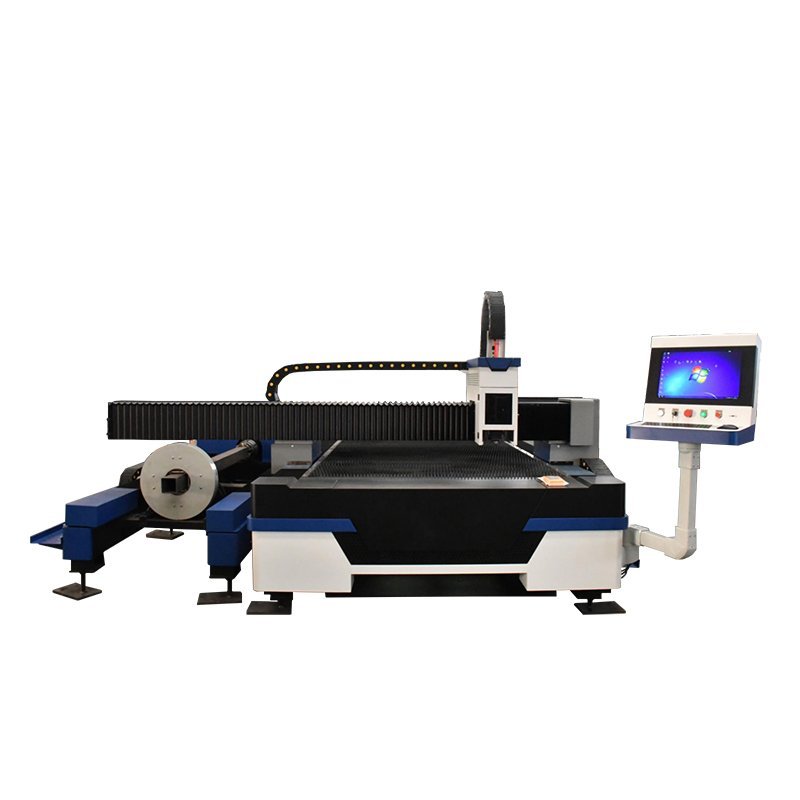
The RONGWIN RWT-G Automatic Tube Laser Cutting Machine processes round tube up to 220mm diameter and square tube up to 150x150mm at 120 rpm maximum chuck speed. Compare to manual sawing:
| Operation | Manual Saw (per shift) | RWT-G Tube Laser (per shift) |
|---|---|---|
| Tubes cut per shift (average) | 40–60 | 200–350 |
| Cut accuracy | ±1.0mm | ±0.03mm |
| Deburring required | Yes — 30s per cut | No |
| Complex profiles (holes, slots) | Require separate drilling/fixture | Cut in same operation |
| Operators per shift | 1.0 | 1.0 (monitoring + loading bundles) |
| Annual throughput (250 shifts) | 12,500 tubes | 68,750 tubes |
ROI Calculation — RWT-G Tube Laser:
- Machine cost (mid-range 3000W): $90,000
- Installation + infrastructure: $18,000
- Total investment: $108,000
- Annual labor savings (replaces 4 manual saw operators): $100,000/year
- Annual consumables savings (no blades, reduced deburring): $8,000/year
- Annual scrap reduction (precision cutting): $5,000/year
- Total annual savings: $113,000/year
- Payback period: 11.5 months
The RWT-G achieves sub-1-year payback in virtually any shop currently using manual tube sawing for ≥200 tubes per week. For shops outsourcing tube cutting, payback is even faster — typically 5–8 months — because per-cut service fees ($0.80–$2.50 per cut for simple straight cuts, $3.00–$8.00 for profiled cuts) are eliminated entirely.
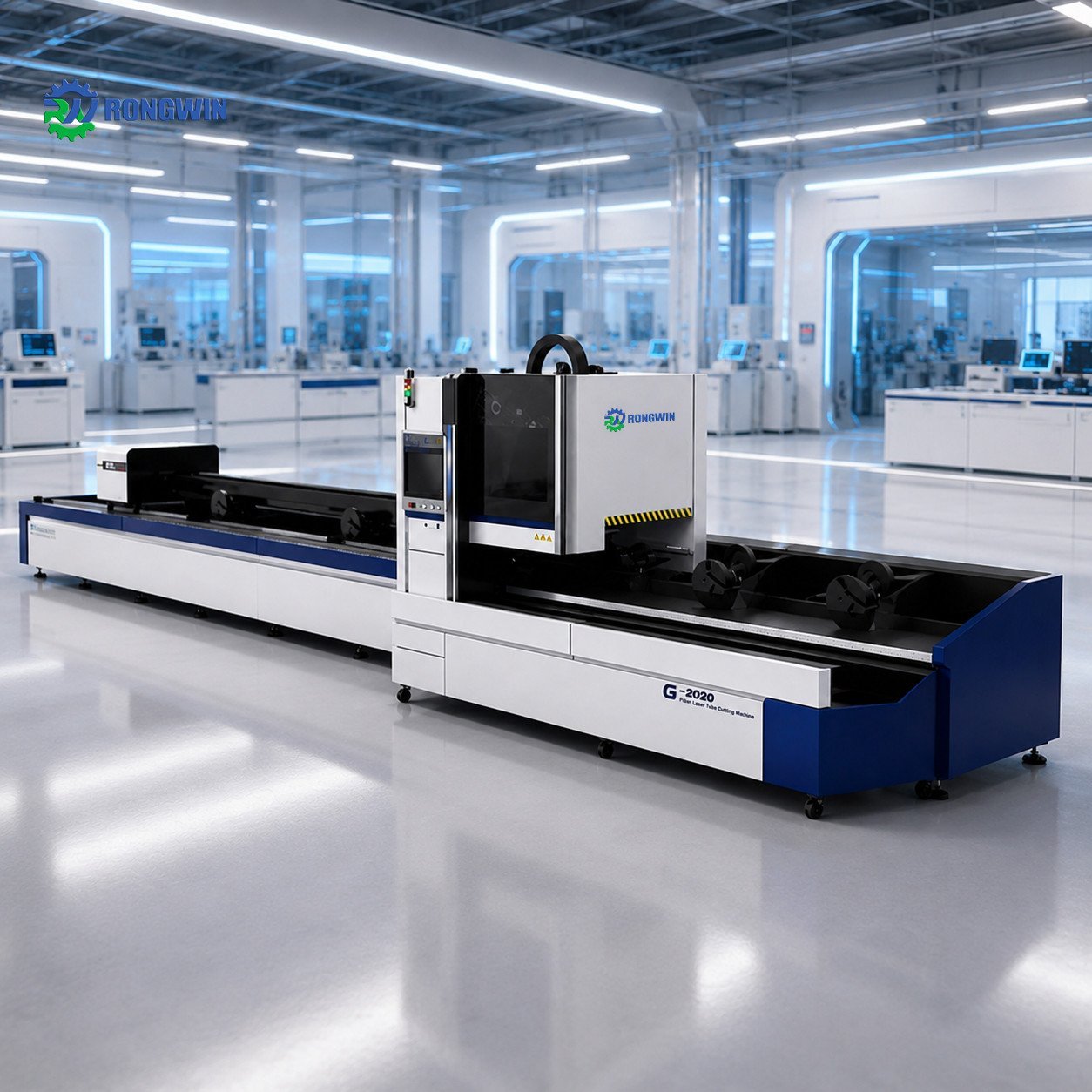
RONGWIN RWT-G Automatic Tube Laser Cutting Machine - achieves sub-12-month payback in any shop cutting 200+ tubes/week.
Plate Cutting ROI: The CNC Plate & Pipe vs. Outsourcing Decision
For plate cutting, the ROI decision is different from tube cutting: most shops already have a cutting method (plasma, outsourced laser, or manual). The question is whether upgrading to an in-house fiber laser generates positive ROI.
Scenario: Mid-Volume Job Shop (200 tons/year, mixed 3–25mm steel)
Current state — Outsourced laser cutting:
- Average outsourced cutting cost: $1.20 per linear meter
- Annual cutting volume: 50,000 linear meters
- Annual outsourced cutting bill: $60,000
- Delivery lead time: 5–7 business days
- Minimum order charge: $200 per job (penalizes small-batch work)
In-house with RONGWIN CNC Plate & Pipe Fiber Laser Cutter (6000W):
- Machine cost: $160,000
- Infrastructure: $45,000
- Total investment: $205,000
- Annual operator cost (1 operator): $50,000
- Annual consumables + electricity + gas: $20,000
- Total annual in-house cost: $70,000
- Annual savings vs. outsourcing: $60,000 - $70,000 = -$10,000 (first year deficit)
At first glance, in-house looks worse. But three factors flip this calculation:
- Delivery lead time drops from 5–7 days to same-day. This enables the shop to take rush jobs — typically at 30–50% premium pricing — and win contracts that require ≤48-hour turnaround. One additional rush job per month at $2,000 margin = $24,000/year.
- The plate-and-pipe combo eliminates a second machine. The RONGWIN CNC Plate & Pipe machine cuts both flat sheet and structural tube. Instead of buying a separate tube laser ($90,000), one machine handles both — saving the cost of a second machine, second operator, and second floor footprint.
- In-house control eliminates outsourcing minimum-order penalties. Shops paying $200 minimum-order charges on small-batch jobs can now run one-off prototypes at zero additional cost — unlocking prototype and small-batch revenue streams that were previously uneconomical.
Adjusted payback period (including rush jobs and no minimum-order fees): 14–18 months. For shops cutting ≥300 tons/year, payback drops to 10–12 months.
Double-Table ROI: When the Productivity Jump Pays for Itself in Year One
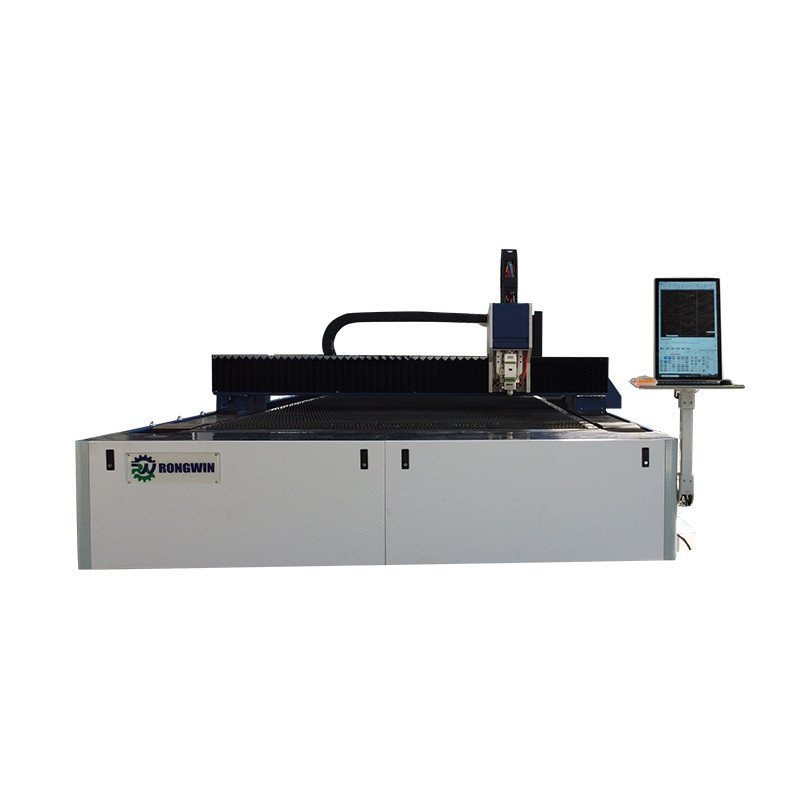
The RONGWIN Sealed Double-Table Exchange Platform Laser Cutter costs 20–30% more than an equivalent single-table machine. The question every buyer asks: "Is 30% more machine worth 30% more money?"
The Productivity Math
- Single-table utilization ceiling: 70–75% (30% of shift time lost to manual loading/unloading, table clearing, and setup changeovers)
- Double-table utilization: 90–94% (only downtime is nozzle changes, material reloading, and scheduled maintenance)
- Effective cutting hours gained per year (4000-hr shift operation): 4000 × (0.92 - 0.73) = 760 additional cutting hours
- Revenue generated by 760 additional hours at $85/hr shop rate: $64,600/year
30% premium on a $160,000 machine = $48,000. The double-table premium pays back in 9 months from additional throughput alone — before accounting for the labor savings from reduced manual table handling. For shops running ≥3,500 cutting hours/year, the double-table platform is the single highest-ROI upgrade available.
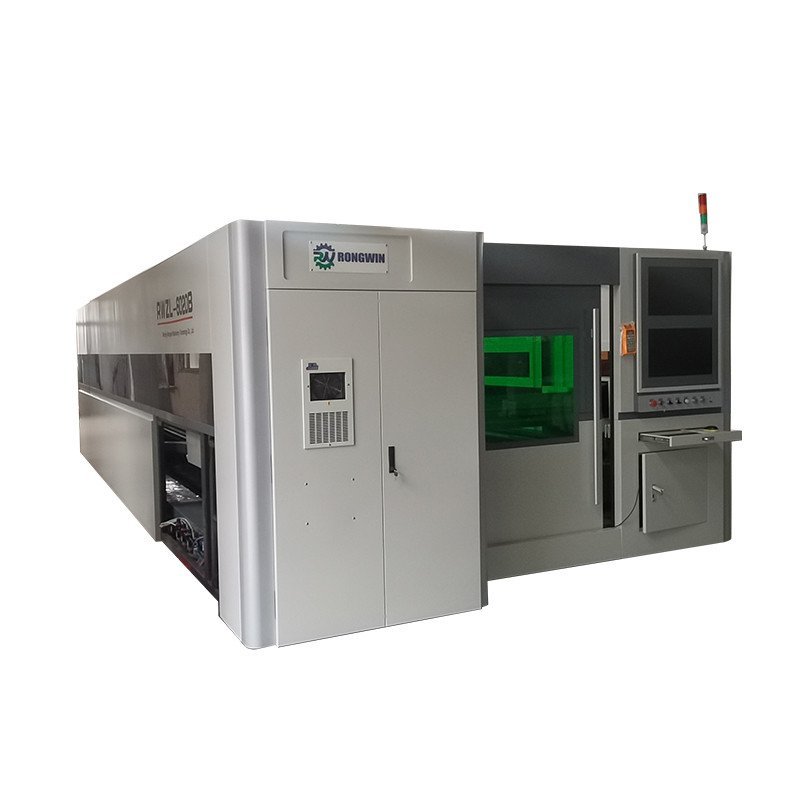
RONGWIN Sealed Double-Table Exchange Platform - the highest-ROI upgrade for shops running 3,500+ cutting hours/year.
Custom CNC ROI: When Standard Machines Don't Fit Your Workpiece
The RONGWIN Customizable CNC Fiber Laser Cutting Machine fills a specific ROI niche: shops with non-standard workpiece dimensions that would require expensive modifications to a standard machine — or force the shop to buy a much larger standard machine than needed.
When Custom CNC Beats Standard
- Extra-long profiles (6000–12000mm): Standard working areas max out at 6000×2000mm. A custom 12000×2000mm working area costs ~30% more than a standard 6000×2000mm — but a standard 12000mm-class machine from a premium brand costs 80–150% more. Custom CNC saves $60,000–$150,000 on the machine price for long-part applications.
- Oversized tubes (≥220mm diameter): Standard tube laser chucks max out at 220mm. The RONGWIN customizable platform can be specified with a 350mm chuck for structural pipe cutting, eliminating the need for a dedicated $250,000+ heavy-pipe cutting system.
- Hybrid sheet + tube in non-standard ratios: Some shops cut 80% tube and 20% sheet — a plate-focused combo machine wastes floor space and budget. The customizable platform can be configured as tube-primary with a smaller sheet bed, matching the machine to the actual production mix and saving $20,000–$40,000.
ROI example — Long-part structural fabricator: Custom 12000×2000mm working area, 6000W. Machine price: $195,000. vs. Standard premium-brand 12000mm machine: $290,000. Savings: $95,000. Payback is immediate — the savings on the purchase alone exceed the infrastructure cost.
The 5 Hidden ROI Killers That Make Payback Disappear
These five mistakes turn a 12-month payback into a 36-month one — or worse, a machine that never achieves ROI.
- Under-spec'ing the chiller. A $3,000 chiller on a $160,000 laser is a false economy. If the chiller cannot maintain water temperature within ±1°C during summer ambient heat, the laser source derates (cuts at lower power to protect itself), reducing cutting speed by 30–40% for hours every day. The "saved" $5,000 on the chiller costs $25,000+ in lost production over 3 years.
- Skipping nitrogen generation. For shops cutting stainless steel on bottled nitrogen, the annual gas bill can exceed $30,000 at moderate volume. A membrane nitrogen generator with recovery loop ($25,000–$35,000) typically pays back in 15–20 months — and then saves $20,000+/year indefinitely.
- Not budgeting for compressed air upgrades. Fiber lasers require oil-free compressed air at ≥7 bar, 1.5–2.0 m³/min. Retrofitting an oily shop-air system destroys the laser optics in months. Budget $5,000–$8,000 for a dedicated oil-free screw compressor with dryer.
- Ignoring the learning curve. A new fiber laser operator takes 2–4 weeks to reach 80% productivity and 3–6 months to reach 95%. The lost productivity during this period is real — budget 2 months of reduced output (50–70% of target) into your year-1 ROI projection.
- Running below minimum utilization. A fiber laser needs ≥1,200 cutting hours/year to generate positive ROI over 5 years. Below that threshold, the fixed costs (depreciation, maintenance, chiller electricity) exceed the savings. Shops cutting <1,000 hours/year should continue outsourcing or buy a used machine.
Payback Period Summary: All Four RONGWIN Platforms
| RONGWIN Model | Application | Price Range (USD) | vs. Manual/Outsource | vs. Plasma | vs. CO2 Laser |
|---|---|---|---|---|---|
| RWT-G Tube Cutter | Tube & pipe cutting | $45,000–$130,000 | 5–12 months | N/A | N/A |
| CNC Plate & Pipe | Mixed job shop, sheet + tube | $80,000–$320,000 | 10–18 months | 14–22 months | 12–18 months |
| Sealed Double-Table | High-volume production | $95,000–$280,000 | 8–14 months | 12–18 months | 9–15 months |
| Customizable CNC | Non-standard parts, OEM/ODM | $60,000–$250,000 | 6–14 months | 10–18 months | 8–14 months |
Assumptions: 2,000+ cutting hours/year, $25/hr operator cost, $0.12/kWh electricity. Payback varies with local labor costs, electricity rates, and material throughput. Run your own numbers using the 5-line framework at the top of this analysis.
Conclusion: The ROI Case for Fiber Laser Cutting Is Stronger in 2026 Than Ever
In 2026, the ROI case for in-house fiber laser cutting is the strongest it has ever been. Machine prices have dropped 25–35% from their 2022 peak, laser source longevity has doubled (30,000-hour MTBF is now standard on IPG and Raycus sources), and operator training is standardized and included by manufacturers like RONGWIN.
The biggest risk to ROI is not the machine — it is under-utilization. A fiber laser cutter is a throughput machine. If you run it 1,200 hours/year, you break even. If you run it 3,000+ hours/year, you make money — a lot of it. The shops achieving <12-month payback are the ones that feed their machines continuously: integrating MES job queues, training operators to run the machine during lunch breaks via automatic loading, and taking on subcontract cutting work to fill idle capacity.
The four RONGWIN platforms cover every plate, tube, and custom application. Run the 5-line ROI framework for your operation, pick the platform that matches your workpiece and volume, and buy 20% more power than you think you need. That last 20% is the cheapest capacity you will ever purchase.